

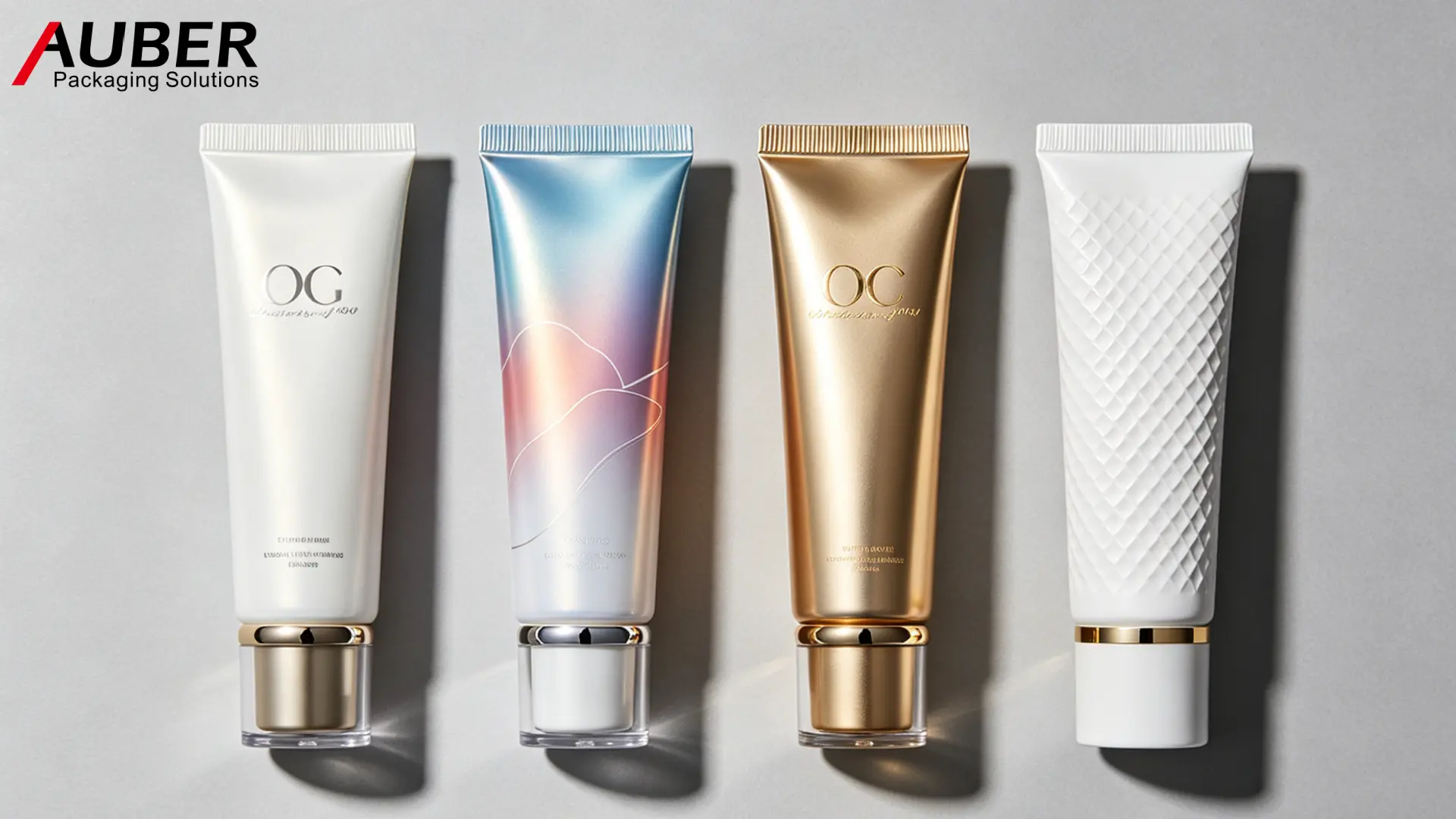
Product Story & Unique Selling Points
Technical Specifications
|
Printing Technique |
Visual & Tactile Characteristics |
Durability & Adhesion |
MOQ & Cost Implications |
Best Suited For |
|
Silk Screen Printing |
Raised, tactile texture; vibrant, opaque, and bold colors; matte or glossy finish. |
Excellent resistance to abrasion, water, oils, and cosmetic chemicals (UV-cured). |
Moderate tooling costs (screens). Cost-effective for 1-3 colors. Multi-color designs require separate passes, increasing unit price. Typical MOQ: 5,000 - 10,000. |
Functional text, ingredient lists, solid color blocks, durable primary branding. |
|
Hot Stamping |
Highly reflective, metallic brilliance (gold, silver, rose gold); sharp, clean edges; smooth finish. |
Strong adhesion, though foil can be more susceptible to scratching than cured ink. |
Higher tooling costs (metal dies). Generally a single-color process per pass. Premium pricing. Typical MOQ: 5,000 - 10,000. |
Luxury brand logos, decorative bands, highlighting key product claims (e.g., "Anti-Aging"). |
|
Heat Transfer Printing |
High graphic quality, precise details, consistent color reproduction; handles complex gradients well. |
Good durability, effectively transferring pre-printed designs onto challenging or curved surfaces. |
Requires a carrier film and heated equipment. Cost-effective for highly detailed, multi-color artwork where silk screen would require too many passes. |
Intricate label designs, multi-color artwork, full-surface decoration on complex shapes. |
|
Embossing / Debossing |
Creates physical depth through raised (embossed) or recessed (debossed) textures; enhances tactile engagement. |
Permanent structural alteration of the tube surface; highly durable as it does not rely on ink or foil. |
Requires custom-made dies (one-time fee typically $20-$50+). Can increase unit cost due to the specialized pressing process. |
Adding subtle, premium texture to logos or brand names, often paired with soft-touch coatings. |
|
Soft Touch Coating |
Velvety, matte surface; feels smooth yet grippy; resistant to fingerprints and smudges. |
Adds scratch resistance; improves grip for functional use (e.g., hand creams, serums). |
Applied as a film or liquid coating. Adds a premium surcharge to the base tube cost but significantly elevates perceived value. |
Premium skincare, facial creams, luxury personal care items requiring a sophisticated tactile feel. |
Versatile Applications
The strategic application of printing techniques varies significantly based on the brand's market positioning and the specific cosmetic product category.
For luxury skincare and premium fragrance brands, the objective is to convey exclusivity and high value. In these scenarios, brands frequently employ a combination of soft-touch coating and hot stamping. The velvety texture of the soft-touch finish provides a sophisticated, anti-fingerprint base, while the metallic hot-stamped logo catches the light on retail shelves, creating a stark, elegant contrast. This dual-technique approach justifies the higher unit cost and tooling investments, as the packaging directly supports a premium retail price point.
Indie beauty brands and direct-to-consumer (DTC) startups often face strict budget constraints and lower initial order volumes. For these companies, silk screen printing serves as the foundational decoration strategy. By utilizing bold, opaque colors and the tactile nature of silk screen ink, indie brands can achieve a distinctive, modern aesthetic without the expense of metallic foils. When multi-color designs are necessary, transitioning to heat transfer printing allows these brands to execute complex artwork efficiently, avoiding the cumulative costs of multiple silk screen passes.
Mass-market personal care products, such as daily-use lotions, shampoos, and sunscreens, prioritize durability and cost-efficiency at high volumes. Silk screen printing is highly favored here for its exceptional resistance to water and product formulations, ensuring that ingredient lists and usage instructions remain legible throughout the product's lifecycle. As order volumes scale beyond 50,000 units, the unit cost for these printing methods drops significantly due to economies of scale, allowing mass-market brands to maintain healthy profit margins while delivering reliable, professional packaging.
Frequently Asked Questions (FAQ)
1. How does the minimum order quantity (MOQ) affect the cost of custom cosmetic tube printing?
The per-unit cost of cosmetic tubes is heavily influenced by production volume due to economies of scale and the amortization of setup costs. For a standard custom tube, the MOQ typically ranges from 5,000 to 10,000 units. At 5,000 units, the cost might be approximately $0.30 per tube, but this can drop to around $0.12 per unit when scaling to 50,000 units. Tooling fees for specific printing methods, such as metal dies for hot stamping or screens for silk printing, are absorbed more efficiently across larger orders.
2. Can hot stamping be applied directly over a silk-screened area on a cosmetic tube?
Generally, applying hot stamping foil directly over cured silk screen ink is not recommended. The process requires precise registration, and the foil may not adhere properly to the raised ink surface, leading to peeling or flaking. To combine both techniques, manufacturers typically apply the hot stamping directly to the bare tube substrate in a designated open space, alongside the silk-screened text, requiring careful design layout and multiple machine passes.
3. Which printing method is most suitable for highly detailed, multi-color artwork?
For complex designs involving gradients, photographic elements, or more than three colors, heat transfer printing is the most effective solution. While silk screen printing provides vibrant colors, each color requires a separate screen and pass, which becomes cost-prohibitive and technically challenging for intricate designs. Heat transfer applies the entire pre-printed multi-color design in a single application using heat and pressure, ensuring precise detail and consistent color quality.
4. What is the functional benefit of adding a soft-touch coating to cosmetic tubes?
Beyond its luxurious, velvety aesthetic, a soft-touch coating provides practical functional advantages. The matte finish improves the grip of the tube, which is particularly beneficial for products like hand creams, facial cleansers, or serums that might be handled with wet or slippery hands. Additionally, the coating is resistant to fingerprints and smudges, helping the packaging maintain a clean, premium appearance throughout its use.


