

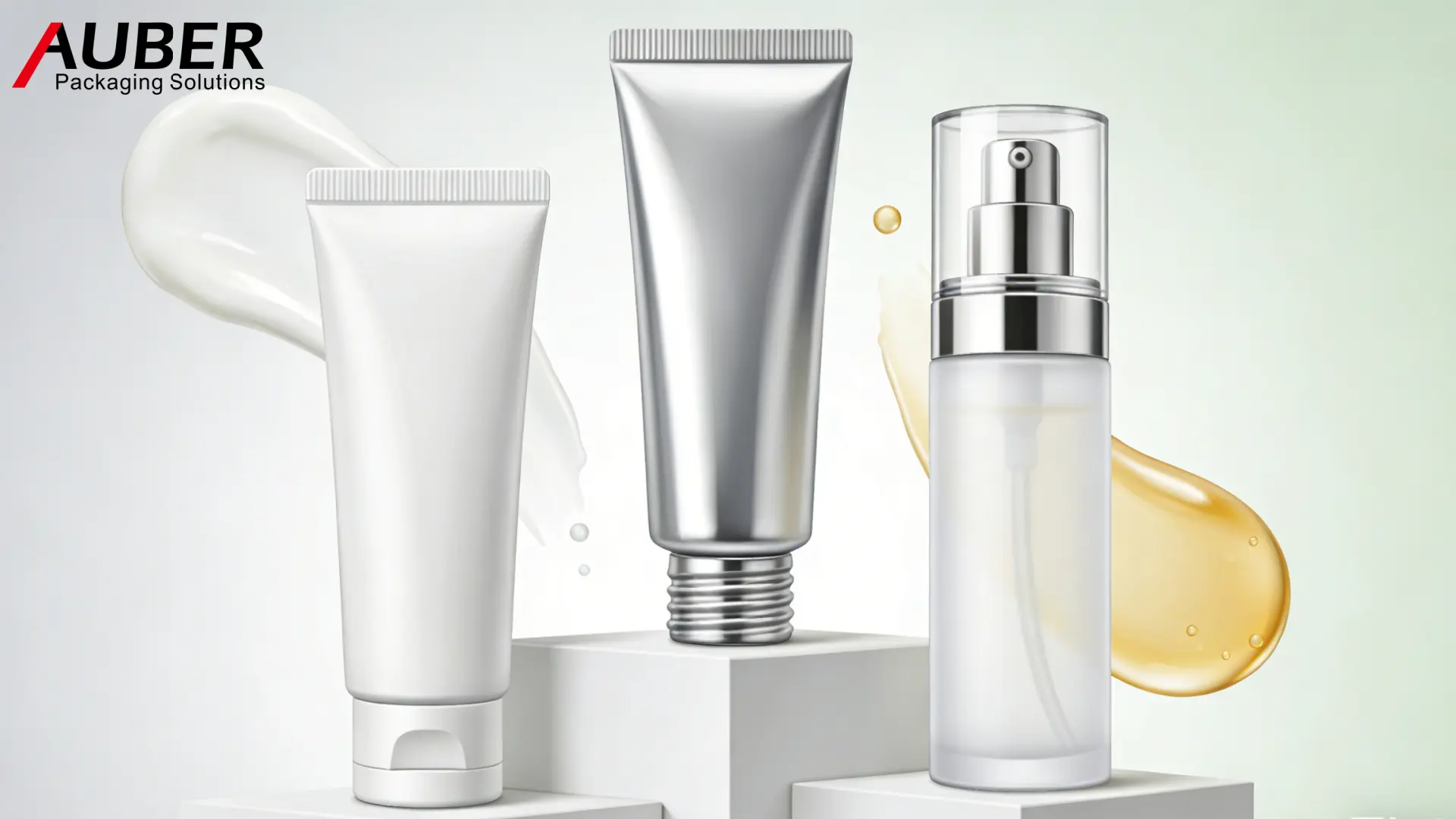
The cosmetic packaging industry often treats cap selection as an afterthought, prioritizing aesthetics over functional compatibility. However, the interaction between a cosmetic formulation and its dispensing mechanism is a critical determinant of product efficacy and user experience. When brands mismatch a cap with their formulation, the results can range from minor inconveniences—like a thick cream clogging a small orifice—to catastrophic failures, such as the rapid oxidation of sensitive active ingredients. The choice between a flip-top cap, a screw cap, and an airless pump is not merely a design decision; it is a strategic engineering choice driven by formulation viscosity, chemical stability, and the target application context.
For B2B cosmetic brands and contract manufacturers, understanding this dynamic is essential. Traditional squeeze tubes equipped with standard flip-top or screw caps are highly cost-effective and suitable for stable, high-viscosity products like cleansers and body lotions. However, these traditional closures introduce a "suck-back" effect. When the user releases the tube, it draws ambient air—containing oxygen and potential contaminants—back into the container. For formulations rich in sensitive actives like Vitamin C, Retinol, or Peptides, this repeated oxygen exposure accelerates degradation, turning a potent serum into an ineffective, discolored liquid within months. Conversely, airless pump tubes utilize a vacuum mechanism and a one-way valve to dispense the product while the tube collapses, ensuring a 100% sealed environment that prevents oxidation and contamination from the first drop to the last. By aligning the cap technology with the specific demands of the formulation, brands can guarantee product integrity, enhance the user experience, and protect their market reputation.
Technical Specifications
Selecting the appropriate closure requires a systematic evaluation of material properties, dispensing mechanisms, and formulation compatibility. The following table outlines the technical specifications and optimal use cases for the three primary cap types:
|
Cap Type |
Dispensing Mechanism |
Key Technical Features |
Formulation Compatibility |
Primary Advantage |
|
Screw Cap |
Manual twist-off closure |
Threaded seal, high structural integrity, often paired with aluminum or multi-layer barrier tubes. |
High-viscosity products, stable formulations, ointments, heavy creams. |
Maximum security against leakage during transit; highly cost-effective. |
|
Flip-Top Cap |
Hinged closure with a central orifice |
One-handed operation, snap-fit seal, customizable orifice sizes based on product thickness. |
Medium to high-viscosity products, daily-use lotions, shampoos, gels. |
Ergonomic convenience for frequent, on-the-go usage. |
|
Airless Pump |
Mechanical vacuum pump with one-way valve |
Zero "suck-back" effect, precise dosing (e.g., 0.2cc per pump), 99% evacuation rate, 360-degree dispensing. |
Low to medium-viscosity serums, oxidation-sensitive actives (Vitamin C, Retinol), preservative-free formulas. |
Ultimate protection against oxidation and contamination; precise application. |
Versatile Applications
The practical application of these cap types spans across various segments of the personal care and beauty industry, dictated by the specific needs of the end-user and the chemical nature of the product.
In the mass-market personal care sector, flip-top caps dominate the packaging for daily essentials such as body lotions, facial cleansers, and hair care products. The primary driver here is convenience; consumers require quick, one-handed access, often in wet environments like the shower. The formulations are typically stable and have a viscosity that allows for smooth dispensing through a standard orifice without the risk of clogging or excessive flow.
For specialized treatments and pharmaceutical-grade cosmetics, screw caps are frequently preferred. Products like thick barrier creams, targeted spot treatments, or medicated ointments require a robust, airtight seal to prevent drying out and to ensure zero leakage during transport. The deliberate action of unscrewing the cap also signals to the user that the product is potent and should be applied with care.
In the premium skincare and cosmeceutical markets, airless pump tubes are indispensable. High-value formulations containing volatile antioxidants, such as 15% L-Ascorbic Acid serums or advanced Retinol night creams, demand absolute protection from atmospheric oxygen. The airless mechanism not only preserves the efficacy of these expensive ingredients for up to 24 months but also provides the consumer with a luxurious, precise dosing experience, minimizing waste and reinforcing the brand's premium positioning.
Frequently Asked Questions (FAQ)
Q1: Why does my Vitamin C serum turn brown in a standard squeeze tube?
A: Standard squeeze tubes with flip-top or screw caps create a vacuum effect after squeezing, drawing ambient air back into the tube. This repeated exposure to oxygen causes sensitive active ingredients like Vitamin C to oxidize rapidly, resulting in a brown discoloration and a loss of efficacy. Airless pump tubes prevent this by maintaining a sealed, oxygen-free environment.
Q2: How do I determine the correct orifice size for a flip-top cap?
A: The orifice size must be matched to the formulation's viscosity. Low-viscosity liquids require a smaller orifice to prevent uncontrolled spilling, while high-viscosity creams and gels need a larger opening to allow for easy dispensing without requiring excessive squeezing force.
Q3: Are airless pump tubes worth the higher manufacturing cost?
A: Yes, for specific formulations. If your product contains high-value, oxidation-sensitive ingredients (like Peptides or Retinol) or is marketed as preservative-free, the investment in an airless pump tube is justified. It ensures product stability, extends shelf life, and delivers a premium user experience with precise dosing and minimal waste. For basic, stable formulations like standard cleansers, traditional caps remain the most cost-effective choice.
Q4: Can standard screw caps provide an adequate seal for international shipping?
A: Screw caps offer excellent structural integrity and a very secure seal, making them highly reliable for international transit. When properly torqued, they minimize the risk of leakage caused by pressure changes during air freight, which is why they are often used for dense creams and ointments.


