(1) Product Story & Functional Value
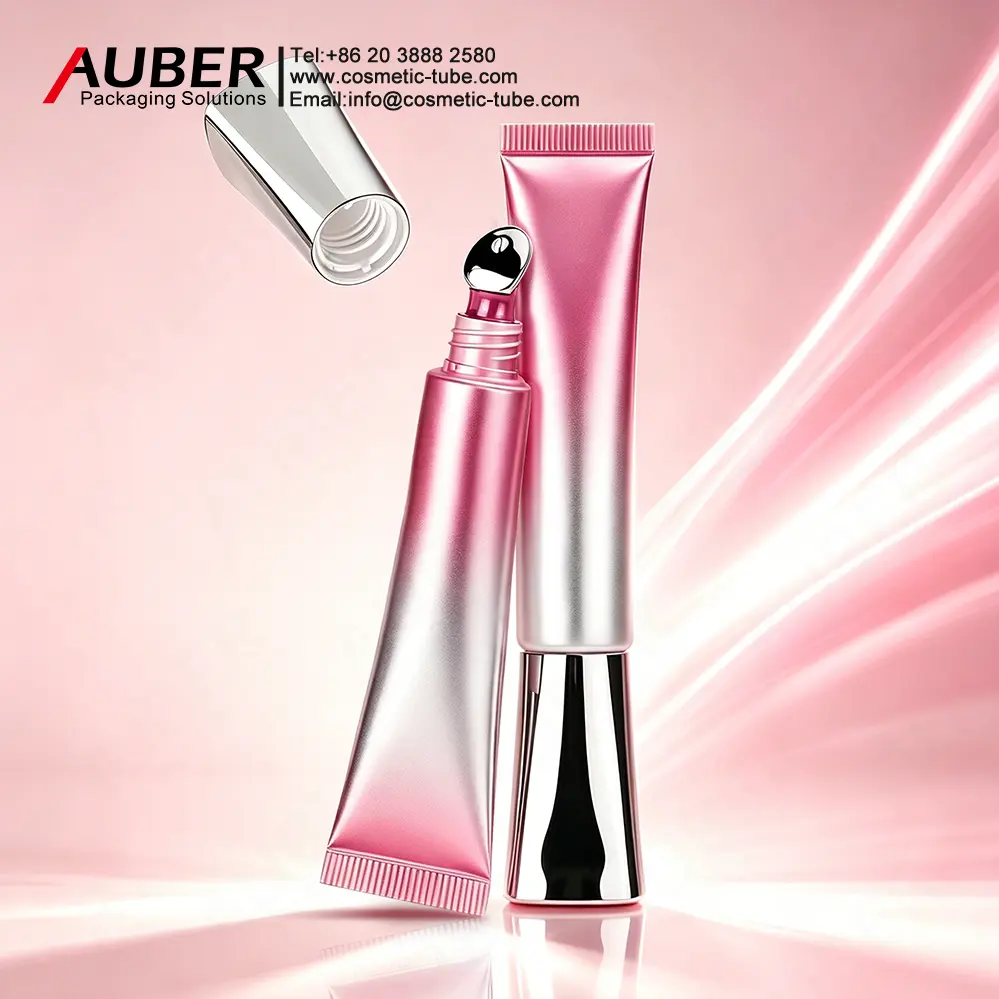
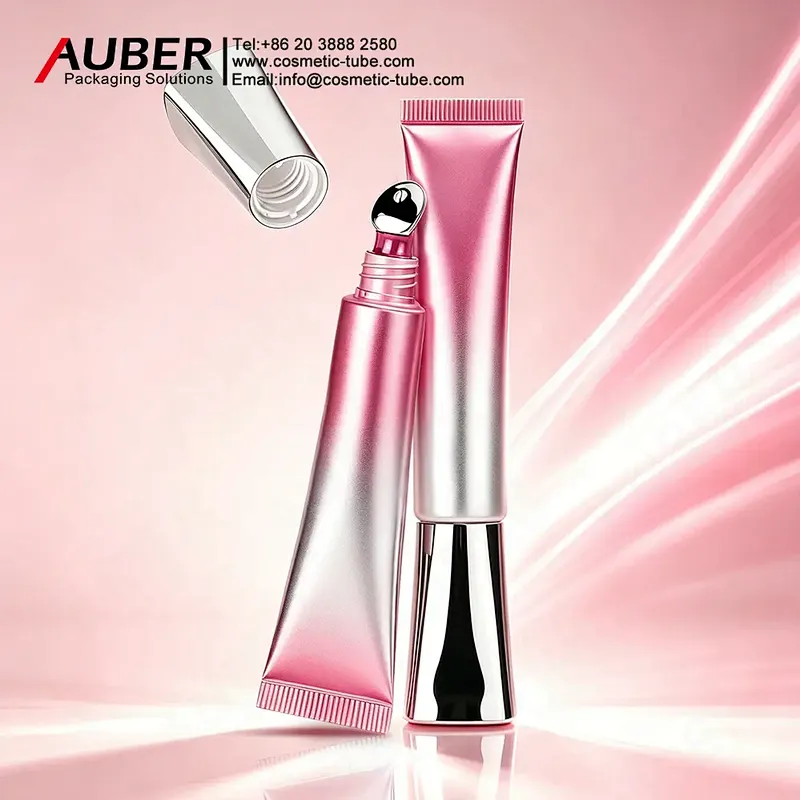
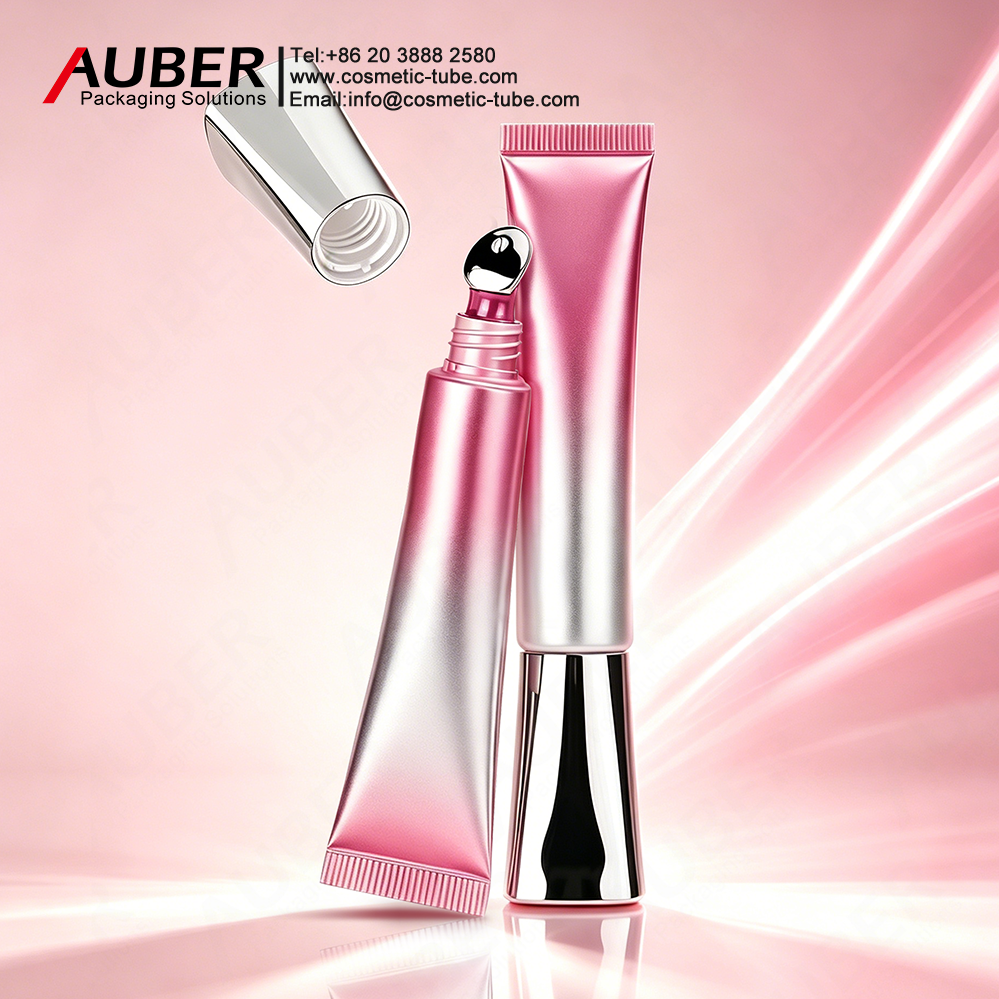
This squeeze tube integrates dispensing and application into a single hygienic step: the formulation is extruded through a central orifice directly onto a polished metal spatula surface, which the user then glides across the skin — eliminating all finger contact with the product reservoir.
The design addresses two practical problems. It prevents contamination by creating a complete barrier between the user and the formulation. It also enhances application quality: the metal surface provides an immediate cooling effect and conforms smoothly to facial contours, making it particularly suited for delicate areas such as the under-eye zone.
The tube body (PE, ABL, or PBL) and the spoon head are manufactured as separate components connected via a threaded collar, giving brands the flexibility to offer the same formulation with either a standard cap or a spoon applicator within the same product line.
(2) Technical Specifications
Specification | Details |
Tube Material Options | PE (Polyethylene), ABL (Aluminum Barrier Laminate), PBL (Plastic Barrier Laminate), PCR (Post-Consumer Recycled) |
Capacity Range | 5ml – 30ml (optimized for targeted treatments) |
Tube Diameter | 16mm – 25mm |
Applicator Type | Fixed metal spoon (spatula) with central dispensing orifice |
Applicator Material | Polished stainless steel or zinc alloy (chrome-plated) |
Closure / Connection | Threaded neck collar securing spoon head to tube body |
Barrier Properties | Standard PE / High-barrier ABL or PBL with EVOH layer available |
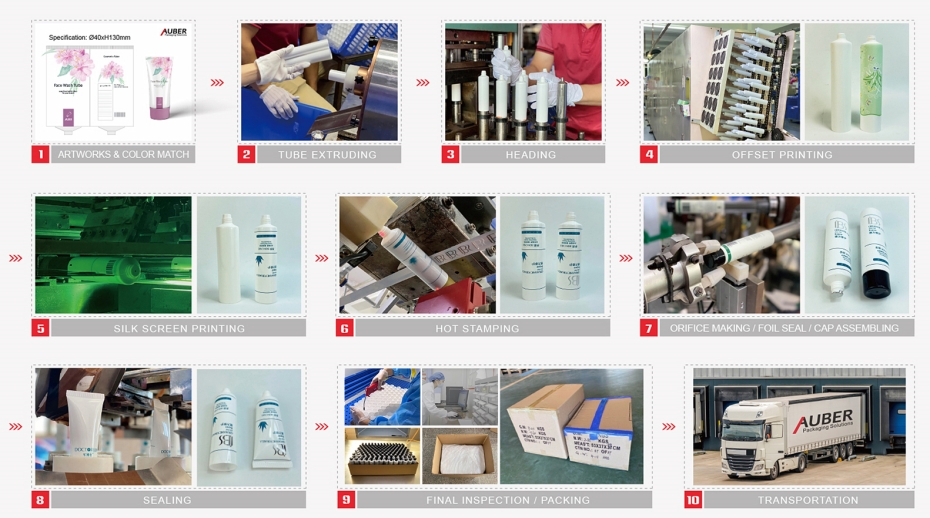
Decoration Options | Offset printing, Silkscreen printing, Hot stamping, Gradient coating, Matte / Glossy / Metallic surface finish |
Typical Surface Finish | Metallic gradient (e.g., pink-to-silver), matte, or full-color printing |
(3) Versatile Applications
Eye Care Serums and Creams represent the primary and most established use case for this packaging format. The cooling effect of the metal spoon immediately soothes the under-eye area upon contact, while the smooth, curved spatula surface ensures the delicate periorbital skin is not subjected to friction or traction during application. This makes it the preferred choice for formulations targeting puffiness, dark circles, and fine lines.
Spot Treatments and Blemish Gels benefit significantly from the hygienic dispensing mechanism. The central orifice delivers a precise, controlled amount of product directly onto the spoon surface, which is then applied to the targeted area without any finger contact. This is especially important for formulations containing salicylic acid, niacinamide, or other actives where cross-contamination between blemishes must be avoided.
Lip Care and Plumping Serums are well-suited to the smooth, gliding application surface of the spoon. The metal spatula distributes the product evenly across the lip contour and provides a mild cooling sensation that complements the action of peptide-based or hyaluronic acid-enriched lip formulations.
Soothing and After-Sun Formulations benefit from the metal spoon's thermal conductivity. When the tube is stored at room temperature, the metal head remains cooler than the skin surface, providing an amplified soothing effect that enhances the perception of anti-inflammatory or calming actives.
(4) Frequently Asked Questions (FAQ)
Q: What is the functional difference between a metal spoon applicator and a roller ball applicator?
A metal spoon applicator (spatula tip) is a fixed, smooth surface with a central dispensing orifice. The product is extruded directly onto the spoon and spread by gliding the curved surface across the skin. A roller ball, by contrast, rotates to transfer product from the tube to the skin. The spoon applicator is compatible with a wider range of viscosities and provides a broader, more even coverage area, while the roller ball is better suited for very light, fluid formulations where a rolling massage motion is the primary functional benefit.
Q: Are these tubes suitable for highly active or sensitive formulations?
Yes. When manufactured with ABL or PBL structures incorporating an EVOH barrier layer, these tubes provide excellent protection against oxygen and moisture, ensuring the stability and efficacy of sensitive active ingredients such as Vitamin C (L-ascorbic acid), Retinol, Peptides, and AHA/BHA acids. The hygienic dispensing mechanism also prevents repeated contamination of the product reservoir.
Q: What viscosities are compatible with the spoon applicator?
The spoon applicator is highly versatile in terms of viscosity compatibility. Unlike roller ball applicators (which are limited to low-viscosity serums, typically below 3,000 cP), the central orifice of the spoon head can accommodate formulations ranging from light serums and gels to medium-viscosity creams. Very thick ointments (above ~15,000 cP) may require a wider orifice or a standard nozzle closure.
Q: Can the tube body and spoon applicator head be customized independently?
Yes. The tube body and the spoon applicator head are manufactured as separate components connected via a threaded collar. This allows brands to customize the tube body color, finish, and printing independently from the spoon head material and finish. It also enables the same tube body to be paired with either a standard screw cap or a spoon applicator head for product line differentiation.
Q: What is the minimum order quantity (MOQ) for this packaging?
MOQ varies based on customization requirements. For standard configurations, MOQ typically starts at 10,000 units. Custom colors, surface finishes, and printing may require higher MOQs. Please contact our team directly for a detailed quotation based on your specific requirements.
Send Message
Related Products