

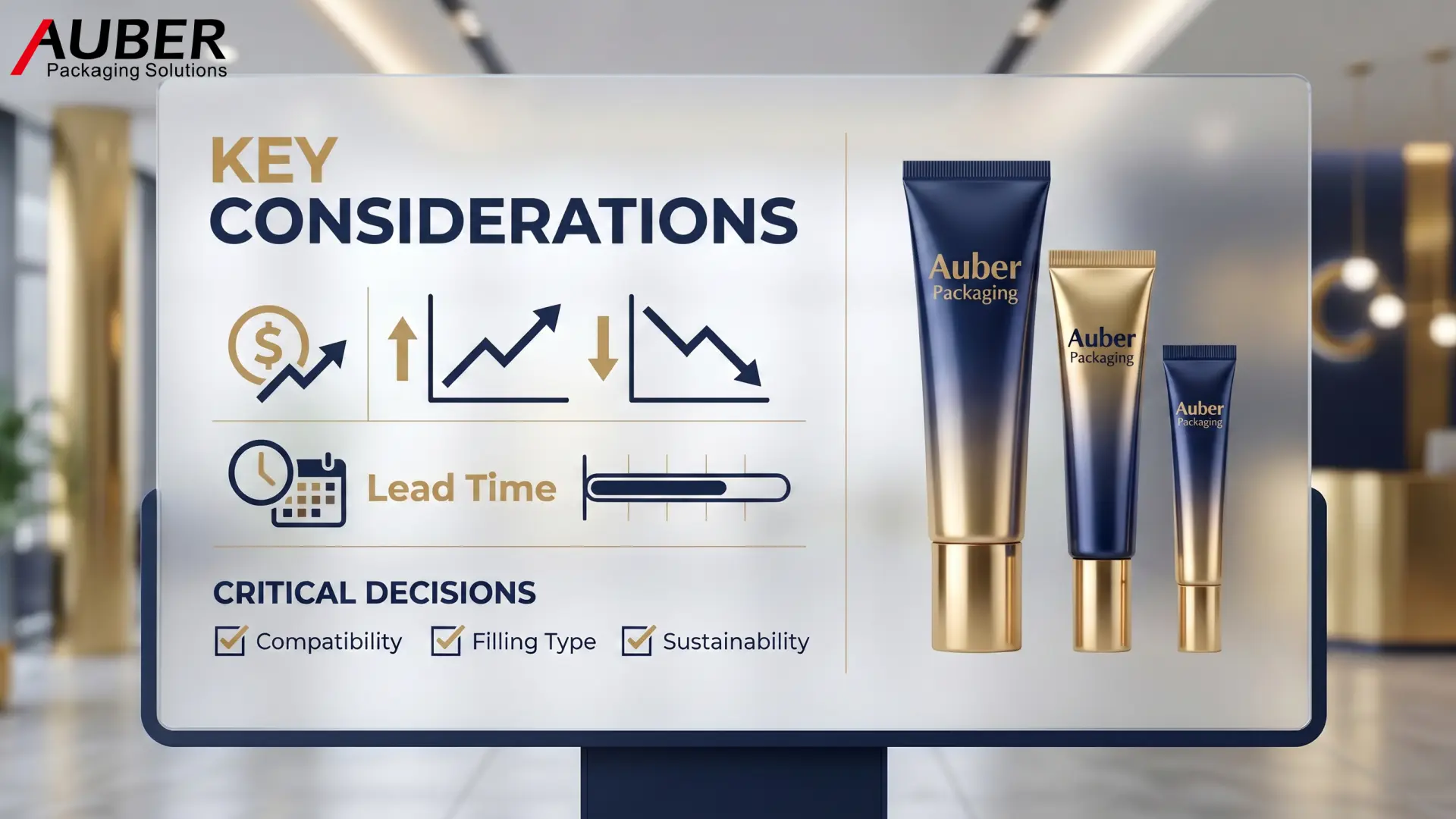
When developing a new cosmetic product, the transition from formulation to mass production is a critical phase. One of the most common challenges brands face during this transition is managing the packaging sampling process. Why do some formulations degrade faster in certain packaging? When does tube packaging outperform bottles or jars? More importantly, how long does it take to get a physical sample, and what are the hidden costs involved?
For brand owners, formulators, and procurement teams, the sampling stage is not just about aesthetics; it is a rigorous engineering process that verifies structure, material compatibility, and functionality. This guide breaks down the cosmetic tube sampling process, explaining the underlying logic of lead times, cost structures, and essential inspection criteria to help you make informed packaging decisions.
1. The Mechanism of Cosmetic Tube Sampling
Before committing to a bulk order, a physical sample allows product teams to verify the structure, printing quality, dimensions, and functionality of the packaging [1]. The sampling process is fundamentally about risk mitigation. It ensures that the chosen material interacts safely with the formulation, preventing issues such as air exposure, contamination, or oxidation.
The Standard Sampling Workflow
The production of a custom cosmetic tube sample typically follows a structured workflow:
- Digital Printing and Artwork Verification: The process begins with digital printing, allowing brands to preview colors and graphics accurately without the need for expensive printing plates.
- Tube Extrusion or Winding: Depending on the material, the tube body is formed. For plastic tubes (PE), this involves extrusion. For laminated tubes (ABL/PBL) or paper tubes, multiple layers are glued and wrapped around a mandrel to create a rigid structure.
- Labeling and Decoration: The printed artwork is applied to the tube surface. This step ensures accurate brand presentation and consistent visual appearance.
- Cutting and Heading: The tubes are cut to the required height, and the tube head (where the cap attaches) is formed. Accurate dimensions are crucial for perfect fit with lids and inserts.
- Assembly and Quality Control: Components such as caps, applicators, and seals are assembled. Each sample undergoes inspection for structure, fit, and appearance before being shipped.
2. Understanding Sampling Lead Times
A common pain point for buyers is the anxiety surrounding sampling lead times, which can delay product launch schedules. The standard sampling lead time typically ranges from 15 to 25 working days, depending on product complexity. However, several factors can influence this timeline.
Existing Molds vs. Custom Molds
The most significant factor affecting lead time is whether the tube requires a new mold.
- Existing Molds: If a brand selects a standard tube diameter and cap style, the process is faster. However, pre-production testing (such as material compatibility and sealability) and custom decoration (like hot stamping or UV coating) still require time. Adjustments to design plans can add 5 to 7 days per iteration.
- Custom Molds: Developing entirely new structures (e.g., unique applicators or custom shapes) requires mold development. This process involves 3D modeling, CNC machining, and extensive testing. A custom mold project can take 30 to 60 days or more, as it includes stages like 3D sample testing and engineering sample testing for functionality and durability.
3. The Cost Structure of Cosmetic Tube Samples
Understanding what drives sampling costs helps in budgeting and supplier negotiation. The cost of a custom cosmetic tube is influenced by material science, engineering design, and application requirements.
Core Cost Drivers
- Material Selection: The primary pricing determinant.
- Plastic (PE) Tubes: Cost-effective ($0.05–$0.18 per unit in bulk), suitable for basic creams and cleansers.
- Laminated Tubes (ABL/PBL): Moderate cost ($0.12–$0.40 per unit), offering multi-layer barrier protection ideal for active skincare and sunscreens.
- Aluminum Tubes: Premium cost ($0.25–$0.80 per unit), providing maximum protection against air and light for pharmaceutical-grade formulations.
- Applicator Complexity: Standard screw caps are inexpensive, while specialized closures like roller balls, brush applicators, or airless pumps significantly increase costs due to assembly complexity and precision molding.
- Decoration and Finishing: Techniques such as silkscreen printing, hot stamping, and soft-touch coating add to the overall cost.
Are Sampling Fees Deductible?
A frequent question from buyers is whether the sampling fee can be credited toward the bulk order. Many professional manufacturers offer a sampling fee refund policy to support business growth. Typically, if the sample is approved and a formal bulk production order meeting the Minimum Order Quantity (MOQ) is placed within a specified timeframe (e.g., 2 months), the sampling fee is fully refunded or credited against the production invoice.
4. Key Considerations for Inspecting Samples
When you receive your physical mockups, a thorough inspection is mandatory. You cannot evaluate durability or texture from behind a screen.
Inspection Checklist
|
Inspection Area |
Key Focus |
Rationale |
|
Text and Grammar |
Spelling errors, regulatory compliance text |
Prevents expensive recalls and maintains brand professionalism [5]. |
|
Brand Consistency |
Logo placement, color accuracy, font rendering |
Ensures the physical product matches digital designs and brand guidelines [5]. |
|
Structural Integrity |
Tube flexibility, cap tightness, seal strength |
Verifies that the packaging will protect the formulation and function correctly during consumer use [5]. |
|
Dimensional Accuracy |
Overall height, diameter, fill capacity |
Confirms the tube will hold the correct volume and fit into secondary packaging (boxes) [5]. |
5. Practical Takeaways for Decision Making
To navigate the cosmetic tube sampling process efficiently, consider the following decision framework:
- If your formulation contains highly active or sensitive ingredients (e.g., Vitamin C, Retinol): Prioritize Aluminum or ABL laminated tubes for superior barrier protection, even if the sampling cost and lead time are slightly higher.
- If your priority is a rapid product launch: Select standard PE tubes with existing molds and simple flip-top or screw caps to minimize development time.
- If you are developing a premium eye serum or targeted treatment: Invest in specialized applicators (like roller balls or airless pumps). Ensure you allocate sufficient time for engineering sample testing to verify functionality.
- Always clarify the refund policy: Before paying the sampling fee, confirm with your supplier if the cost will be credited toward your bulk order and understand the required MOQ and timeframe.
By understanding the engineering and logistical realities behind cosmetic tube sampling, brands can avoid unexpected delays, optimize their packaging budgets, and ensure their final product delivers both aesthetic appeal and functional reliability.


