

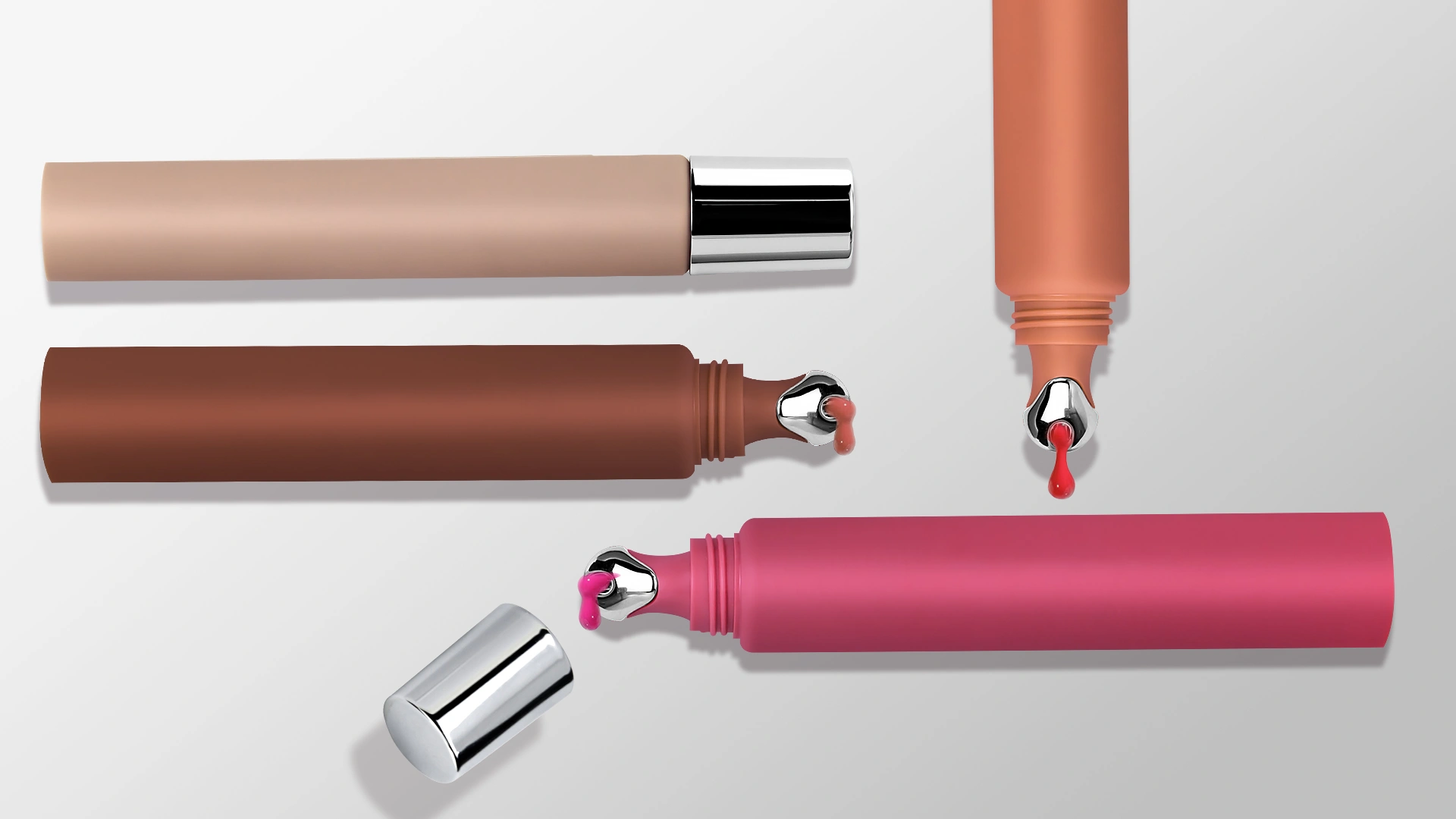
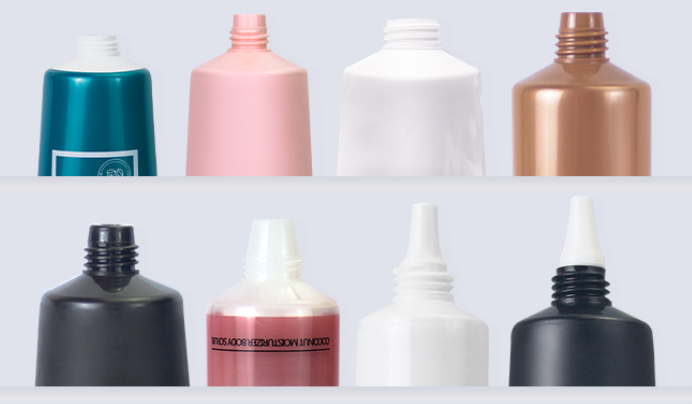
In the world of skincare tube packaging, the thread (or screw thread) on tube necks is often an unsung hero. While it may not be the most visually striking part of a tube, its precision directly impacts product experience—from how smoothly the formula dispenses to whether it stays sealed without leaks. For Auber Packaging, mastering thread technology is key to delivering reliable, user-friendly skincare tubes.
Here’s why thread specifications matter, and how they influence everything from formula compatibility to consumer satisfaction.
Why Threads Matter: More Than Just a Twist
skincare tube packaging are designed to protect formulas (whether thin serums or thick creams) and make application effortless. The thread, that spiral ridge on the tube’s neck, is the bridge between the tube and its cap, pump, or dispenser. Its role?
Ensure a tight seal: Prevent leaks, oxidation, or contamination, especially critical for preservative-sensitive formulas.
Control dispensing: The thread’s design, paired with the dispenser’s opening size, dictates how much product comes out—too much (the formula flow out without squeezing) or too little (the formula flow out difficultly even we squeeze the skincare tube packaging heavily) ruins the user experience.
Guarantee compatibility: Specific threads only work with matching caps or pumps. A mismatch means assembly issues, or worse, the leakage.
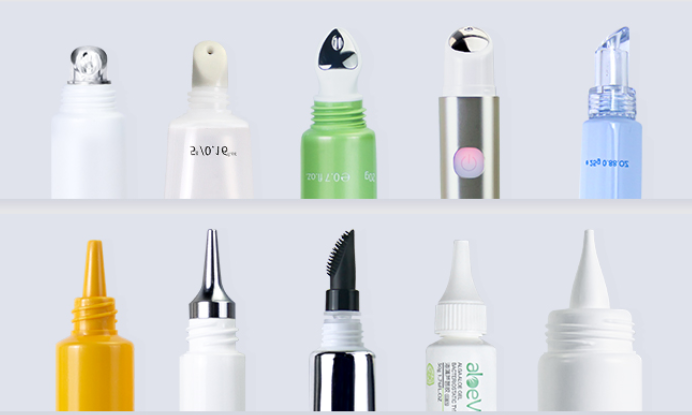
Key Thread Specifications: The Foundation of Compatibility
Like all packaging components, skincare tube threads follow industry standards to ensure universal or tailored compatibility. Understanding these specs helps explain why we at Auber ask about your formula’s consistency and recommend specific threads.
- Standard Thread Systems for Skincare Tubes The most common systems align with global packaging norms, balancing versatility and functionality:
Continuous Threads (CT): These single-spiral threads are the workhorses of the industry, with specifications defined by neck diameter and pitch (distance between threads). For example:
- 18/415: 18mm neck diameter, ~2.7mm pitch (ideal for small serums or oils with dropper caps).
- 24/410: The industry staple (24mm diameter, ~2.5mm pitch) for lotions, creams, and shampoos, pairing seamlessly with pumps, flip caps, or standard lids.
Their universal design relies on a gasket pressing against the tube’s top surface for a tight seal—perfect for most skincare formulas.
Cosmetic-Specific Caps (CC):
These multi-start threads (2-4 spirals) allow quick opening/closing (just ¼ to 1 full turn), boosting user convenience. Common in travel-sized tubes or products needing frequent access. However, their short engagement requires precise alignment: even a tiny mismatch in the tube’s top flatness or gasket elasticity can cause leaks.
PCO Threads: Originally designed for carbonated drinks (think soda bottles) to handle pressure, PCO threads (like PCO1881) are now used in skincare for spray tubes (moisturizing mists, setting sprays) where airtightness is non-negotiable. They require specialized caps to lock in pressure.
- Thread Design: The Details That Dictate Performance Beyond standards, small design choices make a big difference—especially for how your formula dispenses:
Thread Angle & Depth: Most threads use a 60° angle (or 55° for imperial standards) for smooth twisting. Too shallow, and the cap slips; too deep, and it’s hard to twist. For thick creams, a deeper thread ensures the cap stays tight under pressure from the formula.
Pitch & Engagement: Pitch (thread spacing) determines how quickly the cap twists on. A 2.5mm pitch (common in 24/410) balances speed and security. Engagement length (how many threads twist together) matters too: CT threads need 1.5-3 turns for a seal, while CC threads rely on just ¼ turn—so precision is critical.
Opening Size: This is where formula consistency comes in. A thin serum flows easily, so a smaller opening (paired with a fine-pitch thread) prevents overflow. Thick creams need a larger opening (and a thread that secures the wider cap) to avoid clogging. That’s why we ask about your formula’s thickness—we match the thread and opening to its flow rate.
Quality Control: Testing to Avoid Disasters
At Auber Packaging, we never skip testing. These checks ensure your tubes perform as intended:
Fit & Twist Tests: We pair skincare tube packaging with their intended caps/pumps to check for smooth twisting—no sticking, grinding, or sudden jams. A cap that won’t twist fully means a loose seal; one that’s too tight frustrates users.
Key Thread Specifications: The Foundation of Compatibility
Like all packaging components, skincare tube threads follow industry standards to ensure universal or tailored compatibility. Understanding these specs helps explain why we at Auber ask about your formula’s consistency and recommend specific threads.
- Standard Thread Systems for Skincare Tubes The most common systems align with global packaging norms, balancing versatility and functionality:
Continuous Threads (CT): These single-spiral threads are the workhorses of the industry, with specifications defined by neck diameter and pitch (distance between threads). For example:
- 18/415: 18mm neck diameter, ~2.7mm pitch (ideal for small serums or oils with dropper caps).
- 24/410: The industry staple (24mm diameter, ~2.5mm pitch) for lotions, creams, and shampoos, pairing seamlessly with pumps, flip caps, or standard lids.
Their universal design relies on a gasket pressing against the tube’s top surface for a tight seal—perfect for most skincare formulas.
Cosmetic-Specific Caps (CC):
These multi-start threads (2-4 spirals) allow quick opening/closing (just ¼ to 1 full turn), boosting user convenience. Common in travel-sized tubes or products needing frequent access. However, their short engagement requires precise alignment: even a tiny mismatch in the tube’s top flatness or gasket elasticity can cause leaks.
PCO Threads: Originally designed for carbonated drinks (think soda bottles) to handle pressure, PCO threads (like PCO1881) are now used in skincare for spray tubes (moisturizing mists, setting sprays) where airtightness is non-negotiable. They require specialized caps to lock in pressure.
- Thread Design: The Details That Dictate Performance Beyond standards, small design choices make a big difference—especially for how your formula dispenses:
Thread Angle & Depth: Most threads use a 60° angle (or 55° for imperial standards) for smooth twisting. Too shallow, and the cap slips; too deep, and it’s hard to twist. For thick creams, a deeper thread ensures the cap stays tight under pressure from the formula.
Pitch & Engagement: Pitch (thread spacing) determines how quickly the cap twists on. A 2.5mm pitch (common in 24/410) balances speed and security. Engagement length (how many threads twist together) matters too: CT threads need 1.5-3 turns for a seal, while CC threads rely on just ¼ turn—so precision is critical.
Opening Size: This is where formula consistency comes in. A thin serum flows easily, so a smaller opening (paired with a fine-pitch thread) prevents overflow. Thick creams need a larger opening (and a thread that secures the wider cap) to avoid clogging. That’s why we ask about your formula’s thickness—we match the thread and opening to its flow rate.
Quality Control: Testing to Avoid Disasters
At Auber Packaging, we never skip testing. These checks ensure your tubes perform as intended:
Fit & Twist Tests: We pair skincare tube packaging with their intended caps/pumps to check for smooth twisting—no sticking, grinding, or sudden jams. A cap that won’t twist fully means a loose seal; one that’s too tight frustrates users.
Seal Integrity: After assembly, we test for leaks using pressure, inversion, or centrifugal force. Even a tiny gap (from misaligned threads) lets air in or formula out—ruining product shelf life.
Torque Testing: We measure how much force is needed to twist the cap on (closing torque) and off (opening torque). Too much force? Users struggle. Too little? The cap loosens in transit.
Durability: We simulate repeated use (opening/closing 50+ times) to check for thread wear, stripping, or cracks—ensuring long-lasting performance.
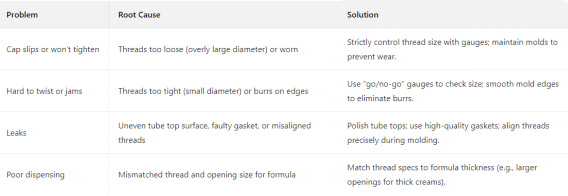
Common Thread Issues (and How We Fix Them) Even small errors in thread design or manufacturing cause big problems. Here’s what we watch for:
Conclusion: Threads = Trust The thread on your skincare tube is more than metal or plastic—it’s a promise of quality. It ensures your formula stays fresh, dispenses perfectly, and delights users every time. At Auber Packaging, we combine industry standards, precision manufacturing, and rigorous testing to get threads right—because we know that even the smallest detail shapes your brand’s reputation.
—————————————————————–
Original Articles from Auber Packaging, please indicate when reprinting the articles.
To learn more about the customization of squeeze tubes, websites: //www.cosmetic-tube.com/ or /